




01223 867038
Get A Quote

Power Flushing in Cambridge

Restore circulation and help your central heating system work as it should.

  • Remove sludge, rust and debris from your heating system
  • Help improve circulation and reduce troublesome cold spots
  • Professional power flushing for homes across Cambridge
power flushing in cambridge
gas safe logooftec logowhich? trusted trader logoideal heating max accredited installer logovaillant accredited installer logoworchester bosch accredited installer logocheckatrade logogoogle reviews
cambridge power flushing

The go-to local team for power flushing

Sludge and corrosion deposits can build up inside wet central heating systems over time. As debris settles in radiators and pipework, it can restrict circulation and leave radiators slow to warm, cold at the bottom or noticeably cooler than others. You may also notice dark water when bleeding a radiator or increased noise from the heating system.

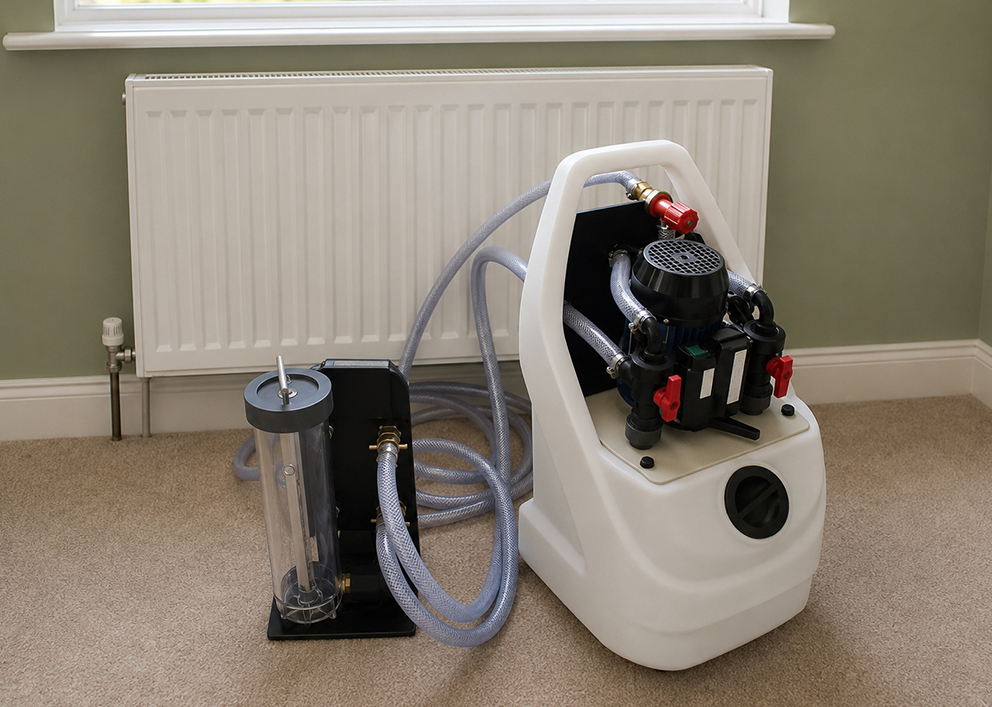
A power flush is a thorough clean using specialist high-flow equipment, cleaning chemicals and magnetic filtration to loosen and remove contamination from the system. This helps clear magnetite, sludge and other debris that may be restricting the flow of water around the radiators and pipework. Once the system has been cleaned, it is rinsed and treated with corrosion inhibitor to help protect it against future build-up.

Not every heating problem requires a power flush. Plumbox can assess the symptoms, check the condition of your system and recommend the most appropriate solution. We work across Cambridge and nearby areas, providing straightforward advice and professional heating system maintenance.
Get A Quote
circulation (1)
Better heating circulation
Removing sludge and deposits can help hot water circulate more freely through radiators and pipework, improving heat distribution around the system.
heater cropped (1)
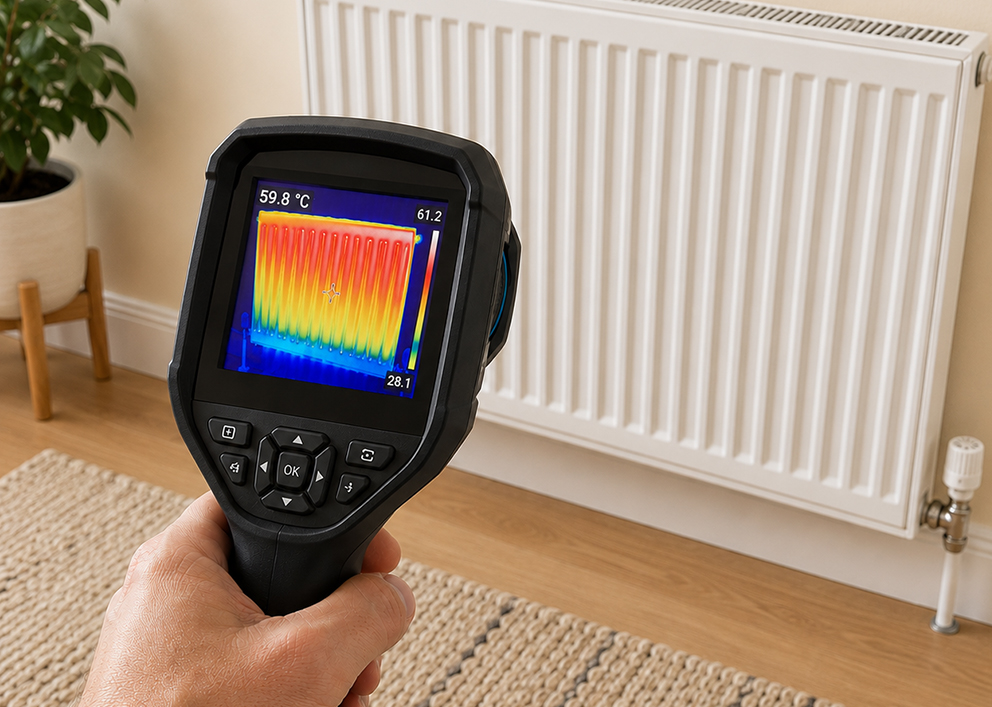
Reduce radiator cold spots
If sludge is causing radiators to stay cold at the bottom or heat unevenly, a thorough system clean can help restore more consistent performance.
boiler (2)
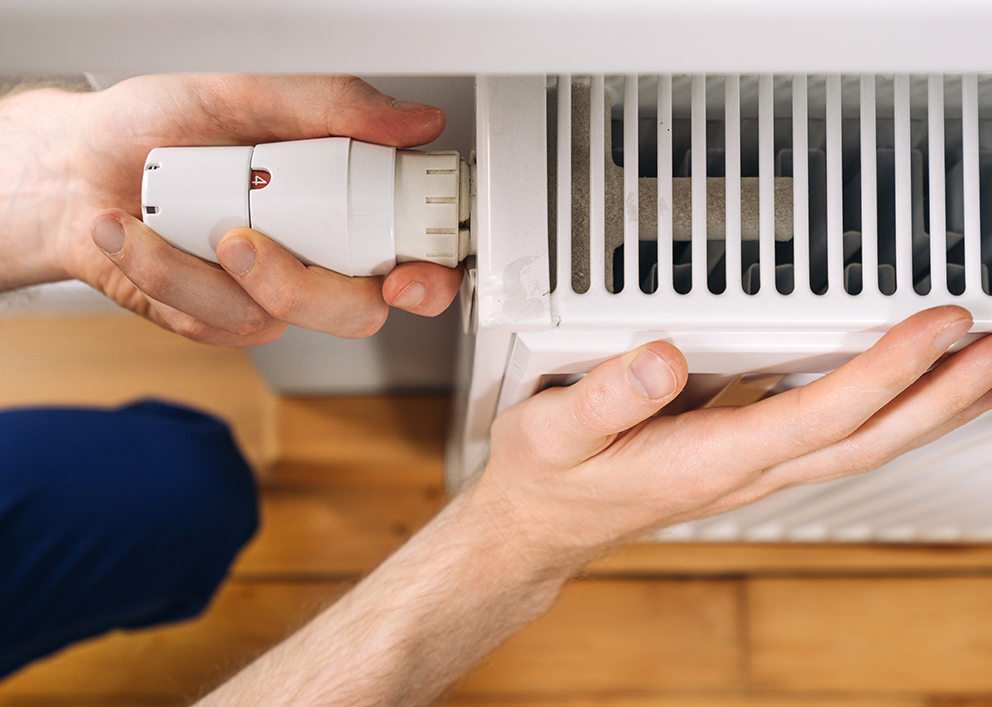
Help protect your heating system
A cleaner system can reduce the amount of debris passing through pumps, valves and the boiler, helping protect important heating components from contamination.
local
Cambridge based
Our local heating engineers provide power flushing across Cambridge, Ely, St Neots, Huntingdon and nearby villages.

Speak to our Cambridge heating engineers about power flushing

Contact Us
power flushing cambridge

Our power flushing service

We tailor the clean to the condition of your heating system. Our service can include:
  • Heating system condition checks
  • Professional power flushing of radiators and pipework
  • Sludge, magnetite and corrosion debris removal
  • Specialist system cleaning chemicals
  • Magnetic filtration during the flush
  • Individual radiator flushing where required
  • Fresh-water system rinse
  • Corrosion inhibitor treatment
  • Magnetic filter cleaning and checks
  • Final circulation and radiator performance checks
A power flush is designed to clean contamination from a wet central heating system, but it will not fix every cause of poor performance. Faulty pumps, stuck valves, damaged radiators, boiler faults or unsuitable pipework can produce similar symptoms. We inspect the system first and will explain if a repair or a less intensive clean is more appropriate.
buying a boiler
Free guide to buying a boiler for your home
Whether your boiler has broken down or you need to replace an existing system, make sure you make the best choice for your home and your wallet.
Enter your details below to download your free copy.

"*" indicates required fields

This field is for validation purposes and should be left unchanged.

What to expect from a power flush

Before starting, we inspect the heating system, radiators and controls and look for signs of sludge or poor circulation. This helps us confirm whether a power flush is appropriate and identify any components that may need attention before cleaning begins.

Specialist power flushing equipment is then connected to the heating system. Cleaning solution is circulated at a high flow rate to loosen sludge and deposits, while magnetic filtration helps capture iron oxide debris. The radiators and heating circuits can be worked through individually where needed to target areas with heavier contamination.

The dirty water and loosened debris are removed before the system is thoroughly rinsed with fresh water. Corrosion inhibitor is then added, the system is refilled and vented, and we carry out final checks on circulation and radiator performance.

The time required depends on the size and condition of the heating system. A domestic power flush will usually take several hours, with larger or heavily contaminated systems taking longer. We will explain what is involved before work begins.
Speak To Our Experts

Power flushing FAQs

What is a power flush?

A power flush is a method of cleaning a wet central heating system using specialist high-flow equipment and cleaning chemicals. The process is designed to loosen and remove sludge, magnetite and other debris from radiators and pipework before the system is rinsed and treated with corrosion inhibitor.

How do I know if my heating system needs a power flush?

Common signs include radiators that are cold at the bottom, some radiators taking much longer to heat than others, dark or dirty water when a radiator is bled and poor circulation around the system. These symptoms can have other causes, so we will assess the heating system before recommending a power flush.

Will a power flush fix cold radiators?

It can help if the cold spots are being caused by sludge or debris restricting the flow through the radiator. Cold radiators can also be caused by trapped air, balancing issues, faulty valves or other heating faults, so the cause should be checked first.

How long does a power flush take?

The time varies with the number of radiators, the layout of the system and the level of contamination. Most domestic systems take several hours to clean thoroughly, while larger or heavily sludged systems can take longer.

Can you power flush an older heating system?

Often, yes, but older systems need to be assessed before flushing. Corrosion can weaken radiators, valves and joints over time, so we will check the condition of the system and discuss any concerns before deciding on the safest cleaning method.

Do I need a power flush before a new boiler is installed?

A heating system should be properly cleaned when a new boiler is installed so old sludge and debris are not carried into the new appliance. A full power flush is not required in every case. The right cleaning method depends on the condition of the system and the boiler manufacturer’s requirements, which we can assess as part of the installation.

What is the difference between a power flush and a chemical flush?

Both use cleaning chemicals, but a power flush uses specialist equipment to move water around the system at a much higher flow rate and is better suited to systems with heavier contamination. A simpler chemical clean may be sufficient where the system is relatively clean or only lightly contaminated.

Can power flushing improve heating efficiency?

If sludge and poor circulation are preventing the heating system from working properly, cleaning it can help restore performance and allow heat to move around the system more effectively. The improvement will depend on the condition of the system, so we do not promise a fixed energy saving.

How often should a central heating system be power flushed?

There is no fixed interval for every home. A correctly cleaned and treated system can remain in good condition for many years. Power flushing is normally recommended based on the condition of the system, water quality, recurring circulation problems or when major heating work is being carried out.
linkedin facebook pinterest youtube rss twitter instagram facebook-blank rss-blank linkedin-blank pinterest youtube twitter instagram