Why Your Radiators Are Cold at the Bottom (And What It Means for Your Heating System)
Radiators that are warm at the top but cold at the bottom are a common issue in many homes. While the heating may still appear to be working, uneven radiator temperatures often indicate a build up of sludge or debris inside the central heating system.
Why radiators heat unevenly
Radiators are designed to distribute heat evenly across their surface as hot water flows through them.
When everything is working properly, the entire radiator should warm up from top to bottom within a few minutes of the heating system turning on.
If the lower section remains cold while the top is hot, it usually means something is preventing hot water from circulating properly inside the radiator.
In most cases, the cause is sludge accumulating in the system.
What heating system sludge is
Heating sludge is a mixture of rust particles, dirt and debris that builds up inside radiators, pipes and other components over time.
This happens naturally as metal parts inside the heating system slowly corrode. Small particles break away and combine with minerals and dirt present in the system water.
Because this material is heavy, it gradually settles in the lowest parts of the system, which is why the bottom of radiators are usually affected first.
Signs your heating system may contain sludge
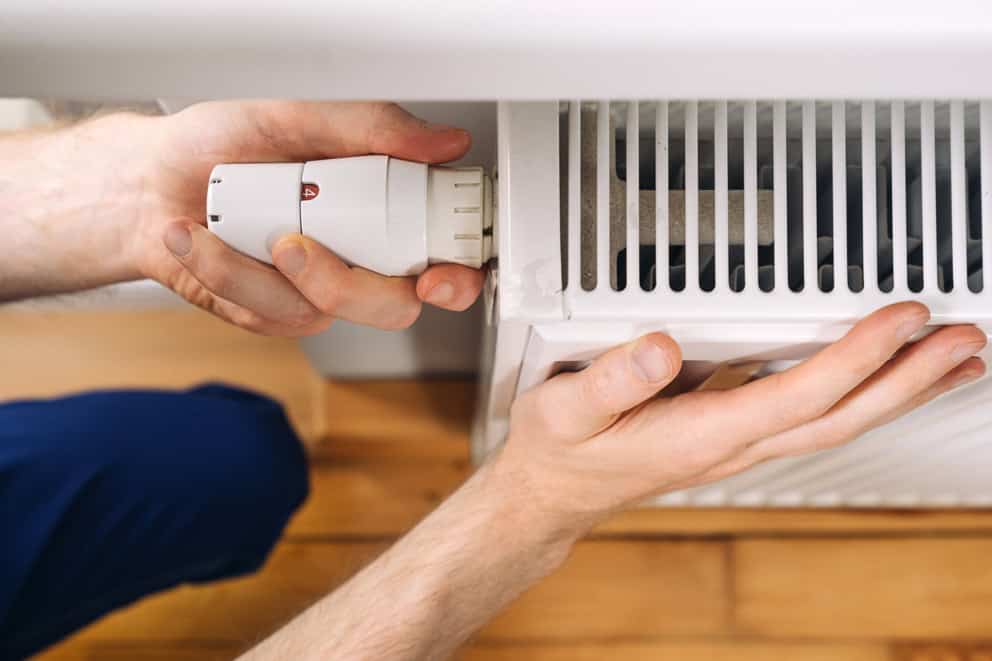
Cold spots at the bottom of radiators are often the first sign that sludge is present, but there may be other symptoms as well.
Common signs include:
- Radiators taking longer than normal to heat up
- Some radiators staying cooler than others
- Noises coming from radiators or pipework
- The heating system struggling to warm the property evenly
- The boiler turning on and off more frequently
If these issues occur across multiple radiators, it is likely that the problem is affecting the wider heating system.
How sludge affects your boiler
Sludge inside the heating system does not just affect radiator performance.
As debris circulates through the system, it can also begin to impact other components including pumps, valves and the boiler heat exchanger.
Over time this can lead to:
- Reduced heating efficiency
- Higher energy bills
- Increased wear on the boiler
- Greater risk of breakdowns
Keeping the system clean helps ensure your boiler can operate efficiently and reliably. Regular servicing can help identify early signs of system contamination. You can learn more about what is included on our boiler service page.
Will bleeding the radiator fix the problem?
Bleeding a radiator removes trapped air from the heating system and can often fix radiators that are cold at the top.
However, if the bottom of the radiator is cold, bleeding will usually not solve the issue.
This is because the problem is not air inside the radiator but sludge blocking the flow of hot water through the lower section.
In these cases, further cleaning of the heating system may be required.
How a professional heating system flush helps
When sludge build up becomes significant, a professional cleaning process may be recommended.
A heating system flush removes accumulated debris from radiators, pipework and other components, allowing hot water to circulate freely again.
This process can:
- Restore radiator performance
- Improve heating efficiency
- Reduce strain on the boiler
- Extend the life of the heating system
If sludge is suspected in your system, an engineer can assess the condition of your radiators and recommend the best solution.
Why this issue is common in Cambridge homes
Many homes across Cambridge and the surrounding areas have older heating systems or radiators that have been in place for many years.
Over time, sludge naturally accumulates in these systems if preventative measures such as filters or chemical inhibitors have not been installed.
Properties with larger heating systems or multiple radiators may also experience uneven heating if debris begins to restrict water flow.
Regular servicing and system maintenance can help prevent these issues from developing.
When to get your heating system checked
If several radiators in your home are cold at the bottom or the heating system is not performing as expected, it is worth having the system inspected.
An experienced engineer can identify whether the issue is caused by sludge, air in the system, or another heating fault.
If you are experiencing heating problems or would like advice about improving system efficiency, contact the Plumbox team and we will be happy to help.