How Hard Water in Cambridgeshire Affects Your Boiler and Heating System
Hard water is a fact of life across Cambridgeshire, but many homeowners do not realise just how much it can affect their boiler and heating system. From reduced efficiency to higher repair costs, limescale build up can quietly shorten the lifespan of your boiler if it is not managed properly.
What is hard water?
Hard water contains higher levels of minerals, mainly calcium and magnesium. These minerals are picked up as water passes through chalk and limestone underground, which is common across Cambridgeshire.
While hard water is safe to drink, the mineral content can cause problems inside your boiler, pipework, and radiators over time.
Cambridge, Ely, St Neots, Peterborough, and much of the surrounding area are all classed as hard water regions, meaning most homes are affected to some degree.
How hard water affects your boiler
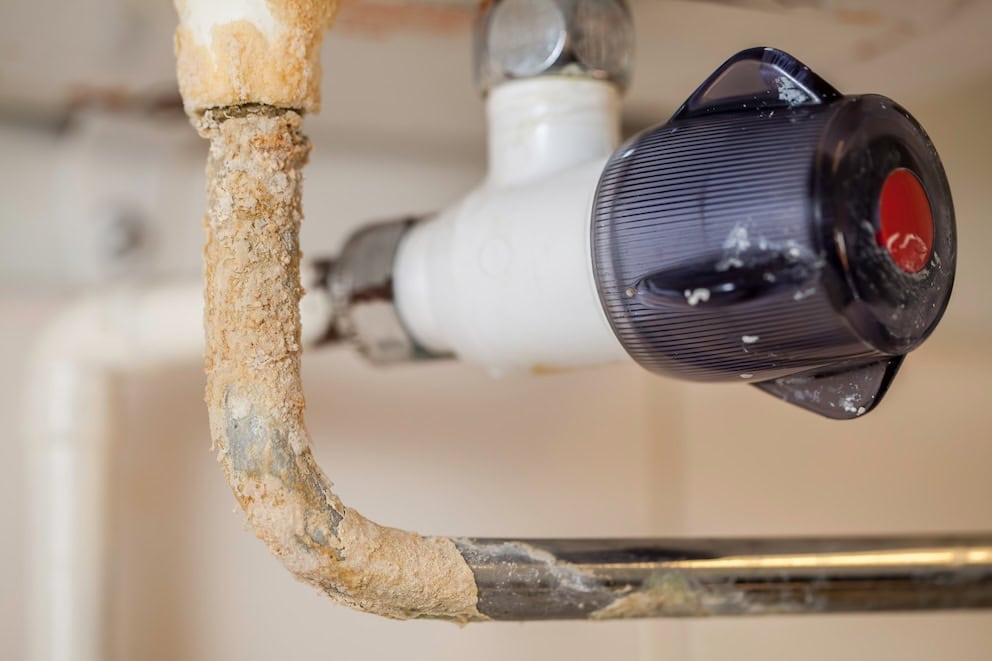
When hard water is heated, the minerals it contains turn into limescale. Inside a boiler, this limescale builds up on key components such as the heat exchanger.
Even a thin layer of limescale can reduce heat transfer, forcing the boiler to work harder to produce the same level of heating or hot water.
Over time, this can lead to:
- Reduced boiler efficiency
- Longer heat up times for hot water
- Higher energy bills
- Increased wear on internal components
If left untreated, limescale can contribute to breakdowns and costly repairs.
Common boiler problems caused by limescale
Hard water related issues do not always appear suddenly. They often develop slowly, which is why many homeowners do not connect them to water quality.
Common problems include:
- Kettling or banging noises from the boiler
- Poor hot water performance
- Fluctuating water temperatures
- Boiler pressure issues
- Premature failure of parts such as pumps or valves
In severe cases, heavy limescale build up can lead to complete boiler failure.
The impact on your heating system and radiators
Hard water does not just affect the boiler itself. Minerals and debris can circulate through the heating system, contributing to sludge and restricted water flow.
This can cause:
- Cold spots on radiators
- Radiators that take longer to heat up
- Uneven heating around the home
- Increased strain on the boiler
If your radiators are slow to warm up or feel cooler at the bottom, hard water and system sludge may be playing a role.
Does hard water increase boiler repair costs?
Yes, it can. Boilers in hard water areas often experience more component wear than those in soft water regions.
Because the boiler has to work harder, parts may fail sooner than expected. This can result in more frequent callouts, replacement of components that would otherwise last longer, and higher long term running costs.
If your boiler is showing signs of a fault, it is best to get it checked early. You can find out more on our boiler repair page.
Can hard water affect boiler warranties?
Many boiler manufacturers require annual servicing to keep warranties valid. In hard water areas, evidence of poor maintenance or heavy scale build up can sometimes be used as grounds to refuse warranty claims.
A regular boiler service helps demonstrate that the appliance has been properly maintained and allows issues linked to limescale to be identified early.
If you are due a service, book in via our boiler service page.
How a boiler service helps in hard water areas
An annual boiler service is one of the most effective ways to protect your boiler from the effects of hard water.
During a service, an engineer will:
- Check for signs of limescale build up
- Inspect key components for wear
- Ensure the boiler is operating efficiently
- Identify early warning signs before they lead to breakdowns
For homes in Cambridgeshire, regular servicing is particularly important due to local water conditions.
When powerflushing may be needed
If limescale and sludge have already built up in your heating system, a powerflush may be recommended.
Powerflushing is a deep clean of the heating system that helps remove sludge, debris, and build up that can restrict circulation and reduce efficiency. You can read more about what is involved in our guide to powerflushing your heating system.
If you would like advice on the right solution for your home, our team can help through our plumbing and heating service.
Can water softeners or scale reducers help?
Some homeowners choose to install water softeners or scale reducing devices to help manage hard water.
While these can reduce scale formation in pipework and appliances, they do not replace proper boiler maintenance. A boiler can still suffer from internal build up without regular servicing and system care.
If you are considering a water treatment solution, it is worth discussing this with a heating professional who understands local water conditions.
Signs hard water may be affecting your boiler
You may be dealing with hard water related issues if you notice:
- Increased boiler noise
- Rising energy bills without increased usage
- Reduced hot water performance
- Radiators heating unevenly
- More frequent boiler faults
Catching these signs early can help avoid more serious problems later.
Local boiler advice for Cambridgeshire homes
Living in a hard water area does not mean your boiler is destined for problems. With the right maintenance, most issues can be prevented or managed effectively.
For homeowners across Cambridge and the wider Cambridgeshire area, regular servicing, prompt repairs, and occasional system cleaning can significantly extend the life of a boiler and keep heating costs under control.
If you are unsure whether hard water is affecting your boiler or heating system, contact the Plumbox team and we will be happy to advise.