How to Improve Water Pressure in Your Cambridge Home
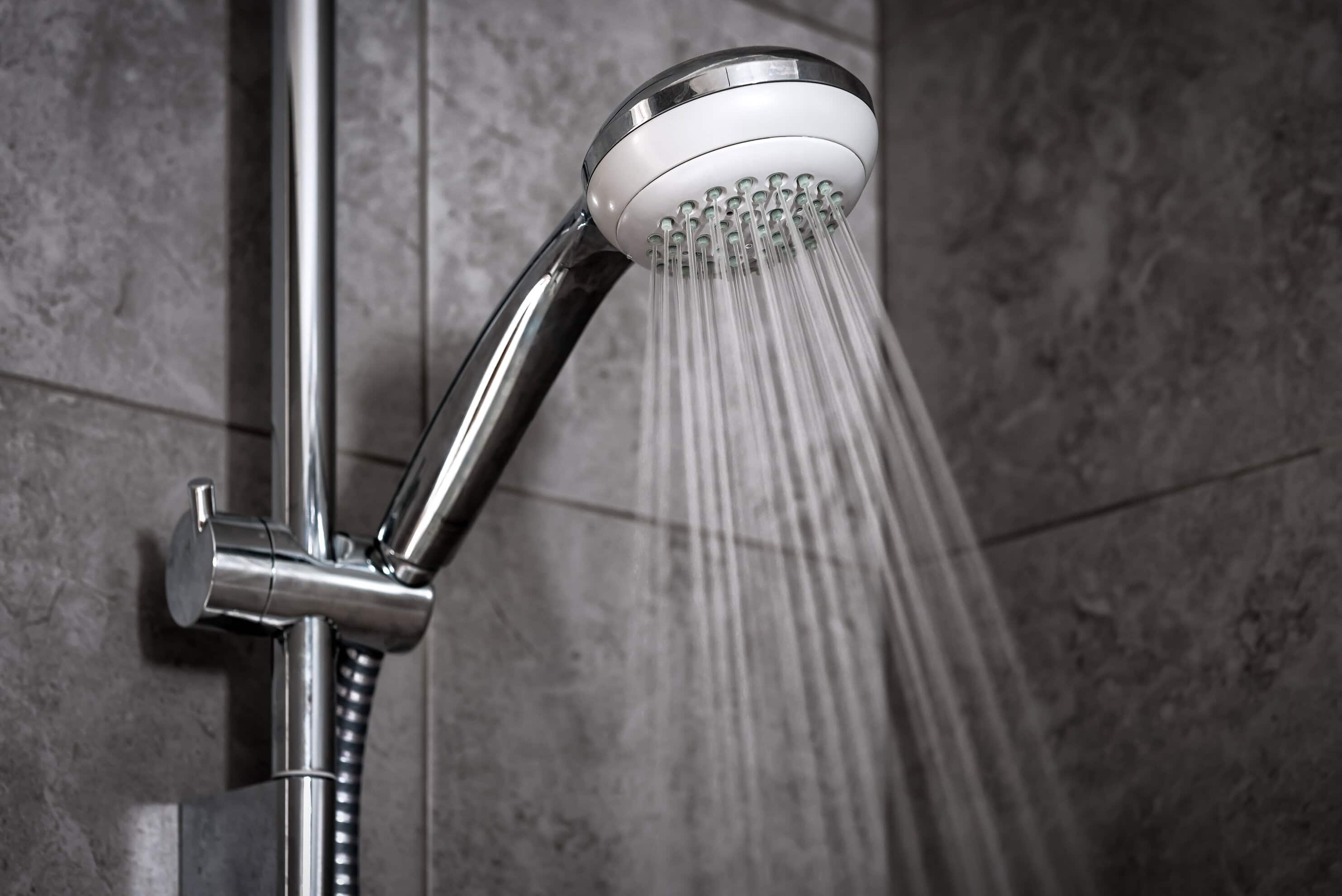
Low water pressure is one of the most common plumbing complaints we hear at Plumbox Cambridge. Whether it’s a shower that trickles instead of sprays or a bath that takes 20 minutes to fill, weak water flow is frustrating and often unnecessary. The good news is that poor pressure can nearly always be fixed – once you understand what’s causing it.
Cambridge’s water network and housing mix make this issue particularly widespread. Hard water, old pipework and gravity-fed systems all play a role. This guide explains what low water pressure means, why it happens, and the most effective ways to restore strong, reliable flow throughout your home.
What Does Water Pressure Actually Do?
Water pressure is the force that pushes water through your pipes and out of taps, showers and appliances. It’s measured in bars – one bar equals the pressure required to push water up ten metres. Domestic systems in Cambridge usually operate between 1 and 3 bar, depending on whether the property is supplied directly from the mains or through a tank-fed system.
When pressure drops below 1 bar at the outlets, everyday tasks become slow or impossible. It’s not just an inconvenience; low pressure can affect combi boiler performance, delay heating response times and make hot water delivery inconsistent.
Common Causes of Low Water Pressure in Cambridge Homes
1. Limescale Build-Up
Cambridge’s chalk aquifer produces some of the hardest water in the UK. As hot water evaporates, calcium deposits form inside taps, shower heads and pipework. Over time, this limescale constricts flow, particularly in mixer showers and kitchen taps. It’s a slow process, so most homeowners don’t notice until the trickle becomes obvious.
2. Ageing or Narrow Pipework
Older homes in areas like Petersfield, Arbury and Chesterton often retain original copper pipes. Decades of corrosion and mineral build-up reduce their internal diameter. The result? Higher friction and reduced flow. In properties extended over time, mixed pipe sizes or long horizontal runs can also cause pressure loss at upper floors.
3. Shared or Restricted Supply
Many terraced and semi-detached houses in Cambridge still share a single mains feed. When several households draw water at the same time, pressure drops for everyone. Similarly, a partially closed stopcock or faulty isolation valve can throttle flow to the entire property.
4. Leaks in the System
Small leaks – even the ones that leave no visible signs – are a major cause of pressure loss. They might be hidden under floors or behind walls. If your water meter continues spinning when no taps are running, that’s a clear indicator of a leak somewhere in the system.
5. Loft Tanks and Gravity-Fed Systems
In many older Cambridge homes, water feeds from a storage tank in the loft. These “gravity systems” rely on height difference to create pressure. The further below the tank your shower sits, the stronger the flow. Bathrooms on the same level or above the tank suffer the most.
Quick Checks You Can Do Yourself
- Run the cold tap in your kitchen – it’s usually the direct mains feed. If pressure is low here, the issue may be external or at the stopcock.
- Check that all isolation valves and stopcocks are fully open.
- Unscrew and clean tap aerators and shower heads to remove limescale.
- Ask your neighbours if they’re experiencing similar issues; if so, the problem may lie with the local mains supply.
These steps can sometimes restore normal flow, but if pressure remains poor, you’ll need a qualified plumber to investigate further.
Professional Solutions from Plumbox Cambridge
Our engineers use digital pressure gauges to measure both static and dynamic pressure. Once we know where the loss occurs, we can recommend the most suitable fix. Depending on your home’s layout, that could include:
1. Pressure-Boosting Pumps
Booster pumps are ideal for improving shower and tap performance in gravity-fed systems. They come in single or twin impeller designs and can transform a weak trickle into a powerful, consistent flow. We install pumps with built-in flow sensors to maintain pressure automatically.
2. Unvented Hot Water Cylinders
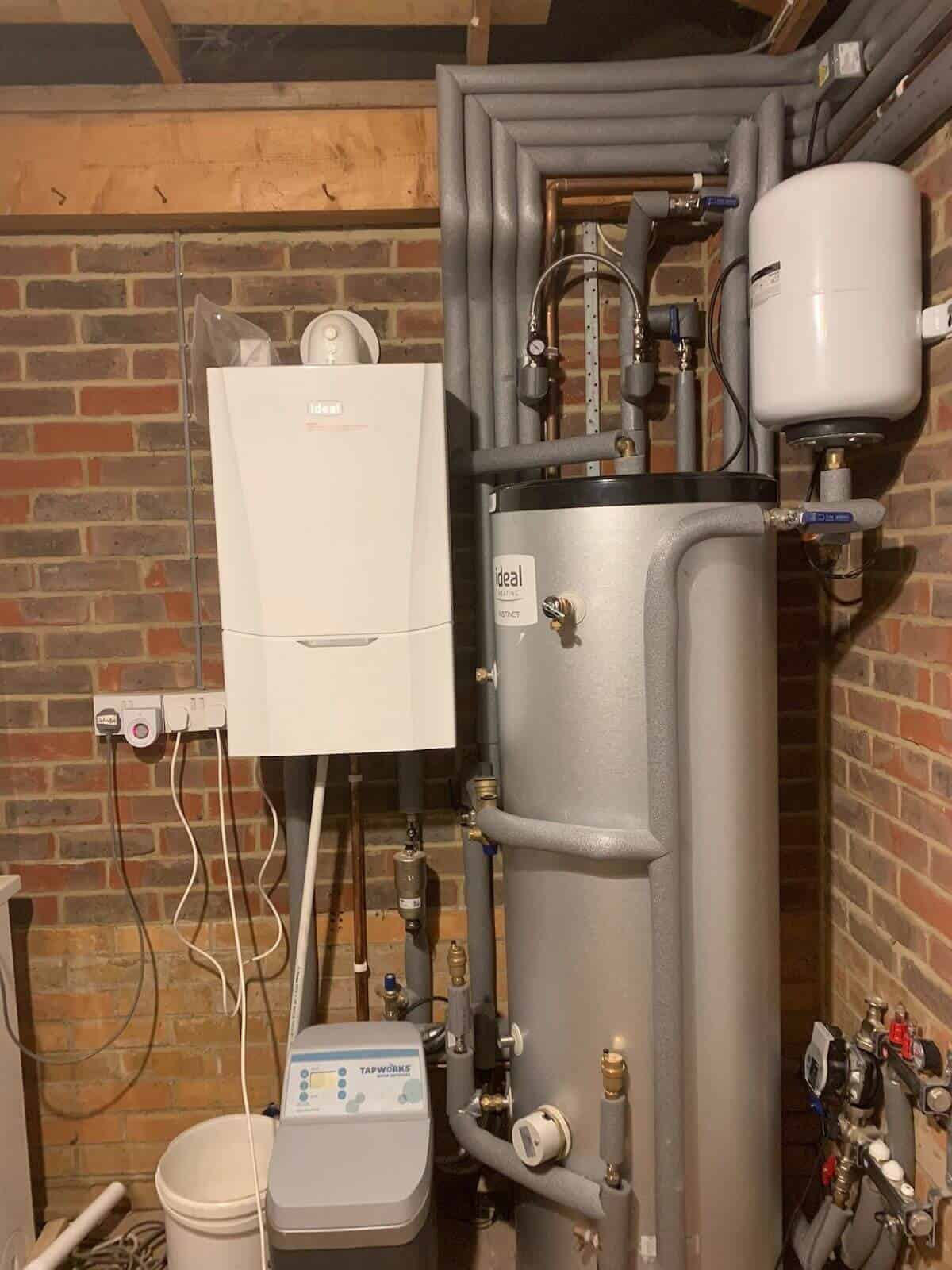
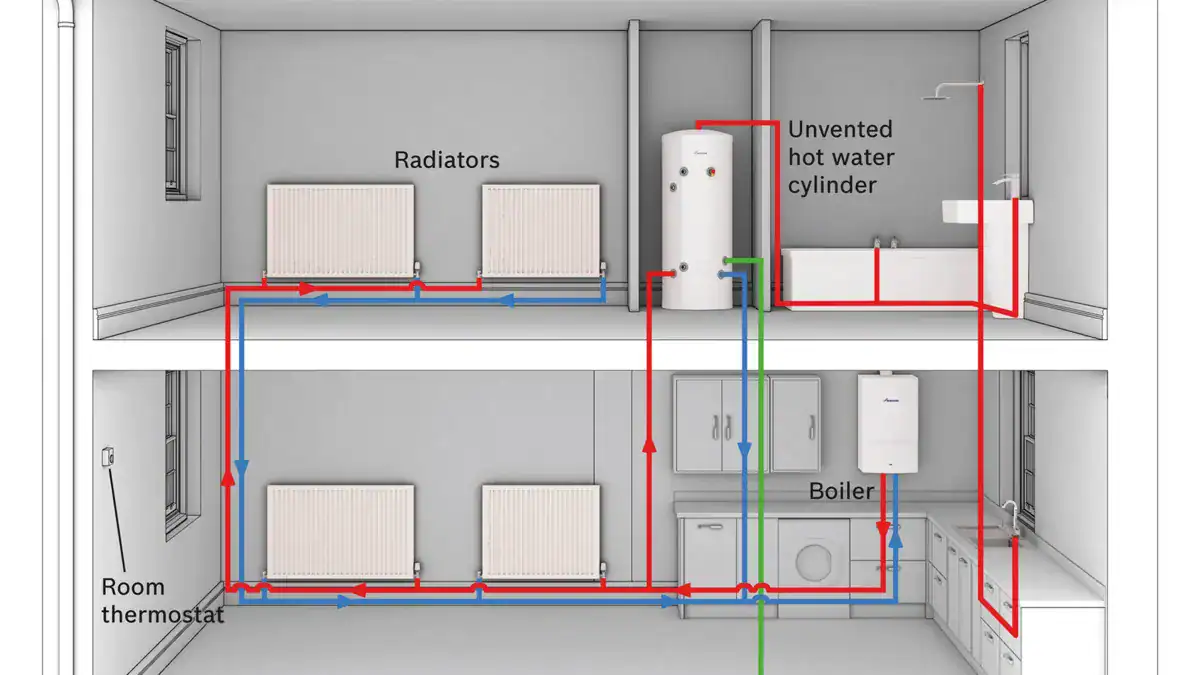
For a long-term solution, consider upgrading to an unvented system. These systems use mains water pressure directly, removing the need for a loft tank altogether. Every tap and shower in the house receives full mains pressure. They’re especially popular in family homes or properties with multiple bathrooms. Learn more on our boiler installation page.
3. Pipework Replacement
In older Cambridge properties, replacing undersized or corroded pipework often yields dramatic improvements. Modern 22mm main feeds with short, direct runs help maintain strong pressure throughout the house. We can trace problem sections using thermal imaging or acoustic testing before any disruption begins.
4. Leak Detection and Repair
If pressure loss stems from a hidden leak, we use non-invasive detection methods to locate it precisely. Repairing the leak not only restores pressure but also prevents long-term water damage and high utility bills.
Why Cambridge Homes Need Special Attention
The combination of hard water, older housing stock and rapid modernisation means many heating and plumbing systems here are under mixed conditions. We frequently find gravity-fed hot water connected to combi systems, partial conversions, or old galvanised pipework alongside new plastic fittings. Each element affects flow differently.
Regular maintenance, including periodic boiler servicing and system flushing, helps maintain healthy flow rates. Even minor scale removal can make a noticeable difference in both water pressure and heating efficiency.
Maintaining Good Water Pressure
Once your system has been upgraded or balanced, a few habits help keep it that way:
- Install a water softener or scale reducer to prevent future build-up inside pipes and appliances.
- Have your boiler and heating system serviced annually as part of a boiler care plan.
- Monitor your stopcock and valves – check they stay fully open after any plumbing work or meter changes.
- Act on early signs such as fluctuating shower strength or noisy pipes before they develop into full blockages.
For more information on local water supply pressures, visit Cambridge Water, which publishes guidance on expected flow rates and mains pressure standards for residential properties.
When to Call in the Experts
If your water pressure continues to drop despite DIY checks, or if performance varies between outlets, it’s time to get a professional involved. Our Cambridge plumbers specialise in diagnosing complex flow issues. We assess the entire system – from incoming mains pressure to boiler performance and outlet restrictions – to ensure every component works in harmony.
Sometimes the solution is as simple as cleaning filters or adjusting pipe routes. In other cases, a system redesign provides the lasting fix. Either way, our goal is the same: consistent, strong water pressure across every tap and shower in your home.
Get Your Flow Back Today
Low water pressure isn’t something to live with. It’s a sign that your plumbing system isn’t working as efficiently as it should. Contact Plumbox Cambridge today to arrange a pressure assessment and restore powerful, even flow throughout your home.
From old terraces near Mill Road to new builds in Trumpington Meadows, we’ve helped hundreds of homeowners reclaim their water pressure – and their patience.