Boiler Efficiency Explained: What It Means, What Affects It, and How to Improve It
Boiler efficiency is something most homeowners hear about, but very few truly understand. Knowing how boiler efficiency works, what affects it, and how it changes over time can help you make better decisions about maintenance, repairs, and eventual replacement.
What does boiler efficiency actually mean?
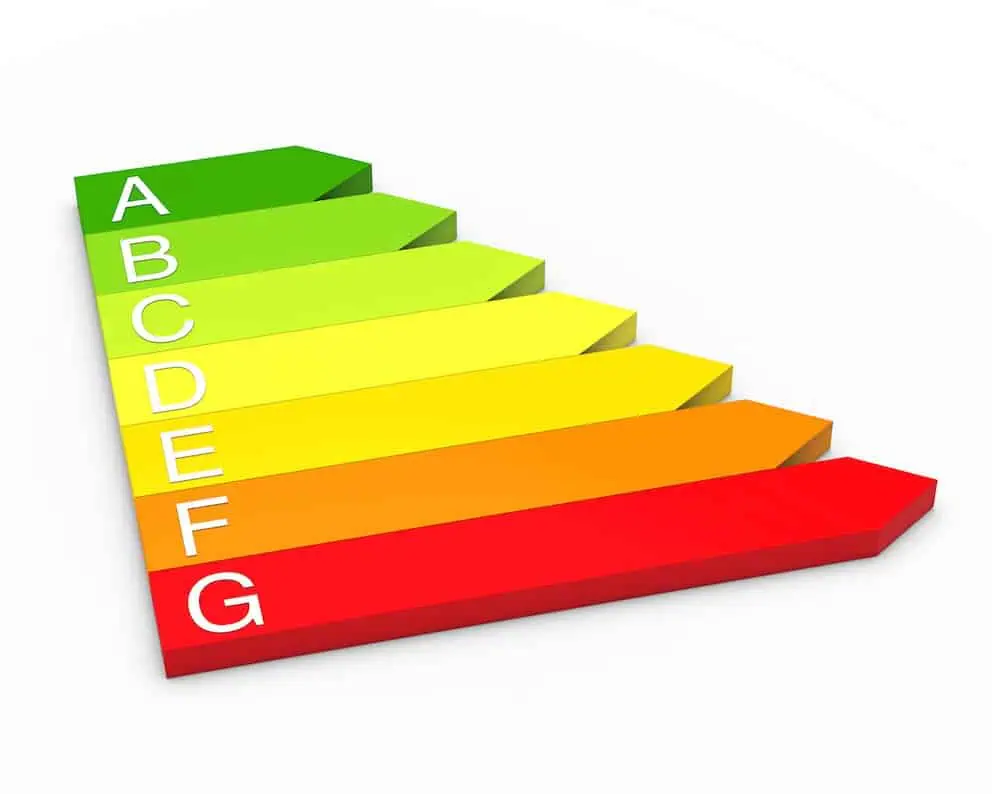
Boiler efficiency refers to how effectively your boiler converts fuel into usable heat for your home. It is usually expressed as a percentage.
For example, a boiler with 90 percent efficiency converts 90 percent of the fuel it uses into heat, with the remaining energy lost through exhaust gases and system inefficiencies.
Modern boilers are designed to achieve higher efficiency than older models, but real world performance depends on more than just the number on the label.
How boiler efficiency is measured
Most modern boilers are rated using a standard efficiency testing method that measures performance under controlled conditions.
These tests focus on:
- Heat output versus fuel input
- Heat lost through the flue
- Performance at different load levels
While these figures are useful for comparison, they do not always reflect how a boiler performs in everyday use. Factors such as system condition, water quality, and user habits all play a role.
The difference between advertised efficiency and real performance
A boiler may be rated at over 90 percent efficiency, but that does not mean it will always operate at that level in your home.
Real world efficiency is affected by:
- System cleanliness
- Correct boiler sizing
- Flow temperatures
- Component wear over time
A poorly maintained boiler can lose efficiency gradually without obvious signs, leading to higher energy bills long before a fault appears.
How heating system design affects efficiency
Your boiler does not work in isolation. The rest of the heating system has a significant impact on how efficiently heat is delivered around your home.
Key factors include:
- Radiator sizing and placement
- Pipework condition
- System balance
- Insulation levels
If heat cannot circulate properly or is lost too quickly, the boiler has to work harder to maintain comfort levels.
Why limescale and sludge reduce efficiency
Internal build up is one of the most common causes of efficiency loss.
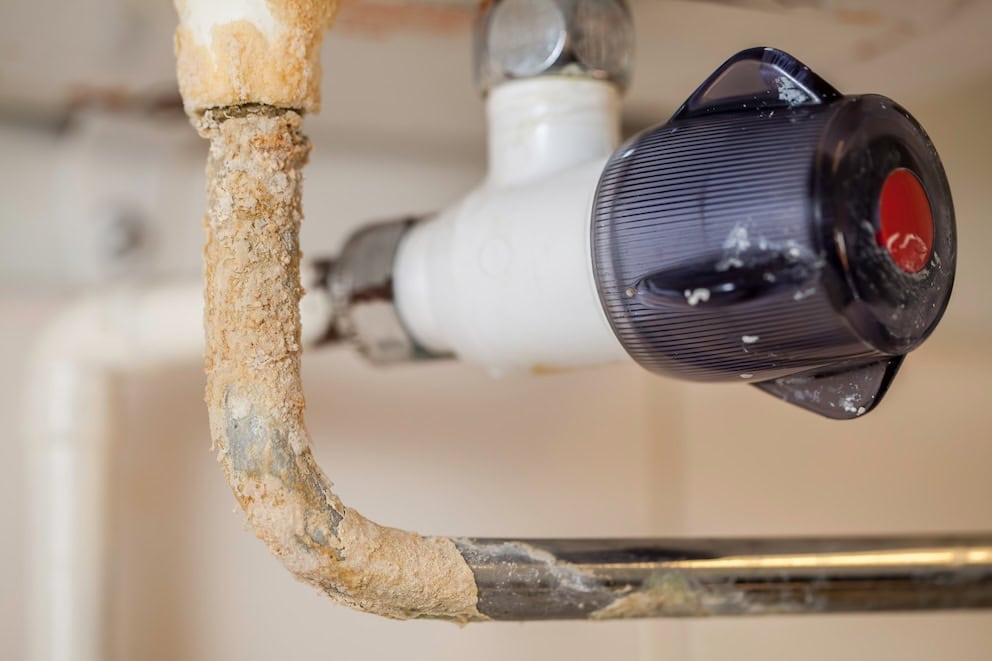
Limescale acts as an insulator inside the boiler, reducing heat transfer. Sludge restricts water flow through radiators and pipework.
Together, they can cause:
- Longer heating times
- Higher fuel consumption
- Increased component stress
These issues develop slowly, which is why efficiency loss often goes unnoticed.
If you suspect your system may be affected, our guide explains the benefits of a deep system clean in more detail: Understanding the importance of powerflushing your heating system.
The role of flow temperature in modern boilers
Many modern boilers are designed to operate most efficiently at lower flow temperatures.
Running a boiler at unnecessarily high temperatures can:
- Increase fuel usage
- Reduce condensing efficiency
- Accelerate wear on components
Optimising flow temperature is one of the simplest ways to improve efficiency without changing the boiler itself.
How boiler efficiency changes over time
All boilers experience gradual efficiency decline as they age.
This can be caused by:
- Worn components
- Build up inside the heat exchanger
- Reduced combustion efficiency
- Sensor and control drift
Regular maintenance helps slow this process, but no boiler maintains peak efficiency indefinitely.
Can servicing improve boiler efficiency?
Yes. A proper boiler service does more than check safety.
During servicing, an engineer can:
- Clean key components
- Check combustion performance
- Identify early efficiency losses
- Ensure the boiler is operating as intended
Over time, regular servicing helps maintain consistent performance and reduce unnecessary energy waste. If your boiler is due a service, you can find out more here: Boiler service.
When repairs make sense from an efficiency point of view
Some efficiency issues can be resolved with targeted repairs, such as replacing faulty sensors, pumps, or valves. In these cases, restoring proper operation can improve performance without replacing the boiler.
If you are seeing warning signs like unusual noises, pressure problems, or unreliable heating, it is usually best to get the boiler checked sooner rather than later. Learn more here: Boiler repair.
When replacement becomes the more efficient option
There comes a point where repairs and servicing can no longer offset age related inefficiency.
Signs this point may be approaching include:
- Frequent breakdowns
- Rising fuel bills despite maintenance
- Poor hot water performance
- Difficulty sourcing parts
Replacing an inefficient boiler can lead to meaningful long term savings, especially when paired with system improvements. If you are weighing up options, you can explore boiler replacement here: New boiler installation.
Why understanding efficiency helps homeowners
Boiler efficiency is not just about ratings and regulations. It directly affects comfort, reliability, and running costs.
Homeowners who understand efficiency are better equipped to:
- Spot early warning signs
- Make informed maintenance decisions
- Avoid unnecessary replacements
- Plan upgrades strategically
Good efficiency is the result of system health, not just boiler age.
Final thoughts on boiler efficiency
Boiler efficiency is a moving target influenced by design, maintenance, and operating conditions. While modern boilers offer excellent efficiency on paper, long term performance depends on how well the system is cared for.
If you would like advice on improving performance, reducing breakdown risk, or planning a boiler upgrade, you can contact our team for guidance.